To care for wire wrapped jewelry, gently clean your pieces using warm water and mild dish soap with a soft toothbrush; ensure they are dried thoroughly and treated with a protective wax to prevent tarnishing. Store items in a cool, dry place away from direct sunlight to maintain the metal's shine and structural integrity. Following these steps on how to care for wire wrapped jewelry will keep your handmade accessories looking beautiful and well-preserved.
Owning a piece of handcrafted wire wrapped jewelry is like possessing a wearable sculpture, yet the very intricate weaves that make it beautiful also make it susceptible to dust, snagging, and oxidation. It is disheartening to watch a bespoke pendant lose its radiance or suffer from bent coils due to simple, avoidable mistakes. Preserving the structural integrity and brilliant finish of your collection requires a nuanced understanding of both the metals and the stones involved. In this guide, I will share expert advice on how to navigate daily wear, safely remove tarnish at home, and store your pieces to prevent environmental damage. From polishing techniques to gemstone safety, you will learn everything necessary to keep your Jenna’s Gems treasures looking as exquisite as the day you first put them on.
The Unique Nature of Handcrafted Wire Wrapped Jewelry
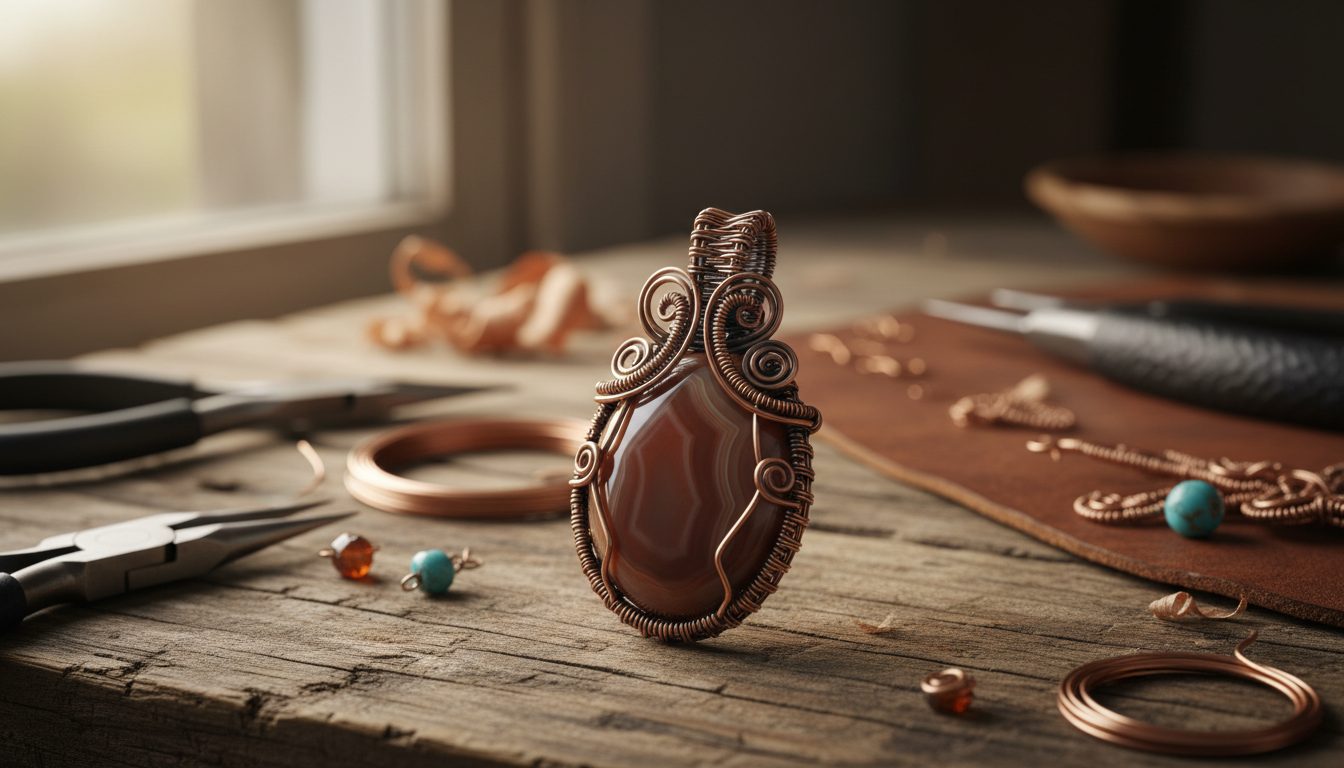
At Jenna’s Gems in Coarsegold, California, every piece is a labor of precision. Unlike mass produced jewelry that is cast in molds or stamped from sheets, these one of a kind designs rely on the structural integrity of the metal itself. Each gemstone is secured through a delicate balance of tension and intricate weaves, where the wire is hand shaped and twisted to form a permanent hold. Because these pieces are built without solder or glue, they possess a unique anatomy that requires specialized attention.
Understanding how to care for wire wrapped jewelry is essential because its complex surface behaves differently than solid cast metal. The many tiny crevices created by overlapping wires can easily trap skin oils, lotions, and dust, which can dull the finish over time. Furthermore, because the wire remains in its hardened but malleable state, it is more susceptible to physical pressure than a thick, industrial setting. As a maker who spends hours hand forming every spiral and frame, I understand exactly how these forces interact. Proper maintenance ensures that the tension remains perfect and the weave stays secure for years to come.
Daily Wear and Tear: Preventing Damage Before It Happens
The secret to longevity starts with the "First Off, Last On" rule. This means your jewelry should be the very last thing you put on after your beauty routine and the first thing you remove when you return home. Perfumes, hairsprays, and lotions contain chemical compounds that react aggressively with copper and silver wire, significantly accelerating oxidation and dulling the metal's natural luster. By waiting until your skin is dry and your hair products have settled, you prevent these substances from becoming trapped in the fine weaves of the design.
Physical activity also presents unique risks for handcrafted metalwork. While my custom wire wrapped orders are built for durability, they are not invincible. High impact activities, such as hiking through the local Sierra foothills or performing heavy household cleaning, can lead to accidental snags. In a wire wrapped piece, there is a distinct difference between the structural "frame" wires and the delicate "weaving" wires. The thicker frame provides the shape and strength, but the fine gauge weaving wire is much thinner. This finer wire is particularly vulnerable to bending or snapping if it catches on a stray branch or the edge of a cleaning tool. Learning how to care for wire wrapped jewelry involves recognizing these vulnerabilities and choosing to store your pieces safely during rigorous tasks.
Does Wire Jewelry Tarnish? Understanding Metal Oxidation
Does wire jewelry tarnish? The short answer is yes. Most high quality metals used in wire wrapping, such as copper and sterling silver, undergo a natural process called oxidation. This occurs when the metal reacts with oxygen and moisture in the air, resulting in a surface layer known as a patina. In the foothills of Coarsegold, environmental factors like seasonal humidity can influence how quickly this occurs.
The rate and appearance of tarnish vary by metal:
Metal Type | Oxidation Characteristics |
|---|---|
Copper | Oxidizes the fastest; transitions from bright orange to a deep, earthy brown or even a vintage green. |
Sterling Silver | Contains a small percentage of copper; develops a dark gray or black film over time. |
Gold Filled | Highly resistant to tarnish due to a thick bonded gold layer; may eventually dull but rarely turns black. |
Understanding these differences is vital when learning how to care for wire wrapped jewelry. Many clients who purchase one of a kind designs actually prefer the antique look that natural oxidation provides, as it highlights the depth and contrast of the intricate weaves. However, it is important to distinguish this natural patina from chemical damage. While tarnish is a surface change that can be reversed, exposure to harsh chemicals like chlorine or bleach can cause permanent pitting or structural brittleness that no polishing cloth can fix.
How to Clean Wire Wrapped Jewelry at Home Safely
Knowing the difference between tarnish and damage helps you decide when a simple cleaning is necessary. To maintain the brilliance of your one of a kind designs, you should periodically remove the accumulation of skin oils and dust that settle into the intricate metalwork. The safest and most effective technique for refreshing your jewelry at home is the mild soap method.
First, ensure your sink drain is covered to prevent any accidents. Fill a small bowl with lukewarm water and add a single drop of original Blue Dawn dish soap. This specific soap is powerful enough to break down oils without leaving a filmy residue. Submerge the piece briefly, then use a very soft, old toothbrush to gently scrub the surface. It is essential to use a brush with worn, soft bristles to reach into the tiny weaves where grime hides. Use a light, circular motion and avoid applying heavy pressure, which could shift the wire and compromise the tension holding the gemstone.
You must never use ultrasonic cleaners or harsh chemical dips on wire wrapped pieces. Massive vibrations from ultrasonic machines can loosen the structural hold of the wire, while acidic dips can strip away intentional patinas or permanently damage the surface of the metal and the gemstone itself.
Once the piece is clean, rinse it under a gentle stream of lukewarm water. Thorough drying is the most critical part of the process when learning how to care for wire wrapped jewelry. Use a lint free cloth to pat the piece dry, then follow up with a hair dryer on a cool setting. Directing cool air into the weaves ensures that no moisture stays trapped in the crevices, preventing localized oxidation or water spots from forming deep within the design.
Protecting Your Gemstones: Not All Rocks Are Equal
While the mild soap method is excellent for refreshing metal, the gemstone at the center of the design dictates the ultimate safety of the process. Understanding the mineral properties of your piece is a critical part of learning how to care for wire wrapped jewelry, as some stones are far more sensitive than the wire surrounding them.
Gemstones generally fall into two categories for cleaning purposes:
Stone Category | Examples | Care Instructions |
|---|---|---|
Hard & Non-Porous | Quartz, Jasper, Agate, Garnet | Can handle mild soap, lukewarm water, and gentle scrubbing. |
Soft or Porous | Opal, Turquoise, Malachite, Amber, Lapis Lazuli | Never soak; avoid all soaps. Clean with a dry or barely damp cloth only. |
Porous stones like Turquoise and Malachite possess tiny microscopic channels that can absorb chemicals, oils, and even dyed soaps, leading to permanent discoloration. Similarly, Opals contain a high water content; exposing them to harsh temperature changes or soaking them can lead to 'crazing,' which is a network of fine cracks that ruins the stone's internal fire.
Environmental factors in the Sierra foothills also play a role. The intense direct sunlight of a California summer can be detrimental to certain one of a kind designs. Stones like Amethyst, Rose Quartz, and Fluorite are light sensitive and will eventually fade if left on a sunny windowsill or a car dashboard. If you are ever uncertain about the specific requirements of your stone, you can contact Jenna for professional advice tailored to your specific piece.
Polishing Tips for a Professional Finish
Restoring the original luster of your jewelry requires more than just a standard rag. For a truly professional finish at home, I recommend using Sunshine Polishing Cloths or Pro Polish Pads. These specialized tools contain micro abrasives designed to lift oxidation without scratching the metal. When you learn how to care for wire wrapped jewelry, the goal is to enhance the design, not flatten it. Use a light touch to rub only the raised surfaces of the wire. By avoiding the deep, recessed areas of the weave, you maintain the natural contrast and depth that makes one of a kind designs so visually striking.
If your piece features silver or gold plated wire, proceed with extra caution. Unlike the solid metals often used in custom wire wrapped orders, plated wires have a very thin exterior layer that can be rubbed away with excessive friction. Over polishing these pieces will eventually expose the base metal underneath, leading to permanent discoloration. If you are unsure about your metal type, you can contact Jenna for guidance before starting.
Storage Secrets for Long Term Preservation
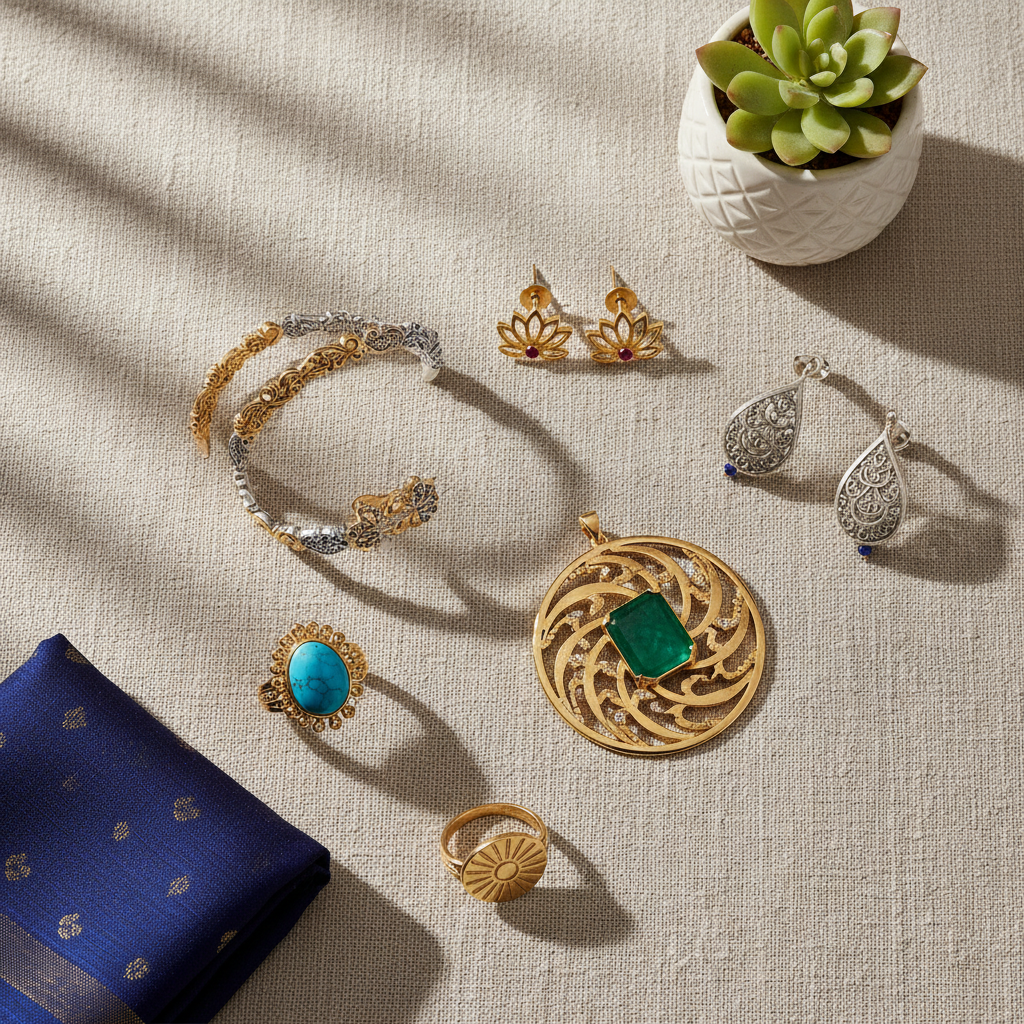
In our Coarsegold climate, seasonal shifts in humidity can accelerate metal reactions, making your storage choices just as important as your cleaning routine. The most effective way to slow oxidation is to minimize oxygen exposure. I recommend placing individual one of a kind designs into small, airtight Ziploc bags or specialized jewelry pouches. This simple barrier effectively shields copper and silver from the air. For added security, place a small anti tarnish strip inside the bag to absorb atmospheric pollutants before they can react with the metal.
Physical separation is equally vital. Never store your jewelry in a jumbled heap where pieces can collide. Because wire wrapped work features three dimensional weaves and precise tension, these designs can easily catch on one another. A stray loop from one pendant could snag the fine weaving of another, leading to bent frames or scratched stones. Using a jewelry box with dedicated, fabric lined compartments ensures each piece remains isolated and secure. If you have questions about preserving a particularly intricate heirloom, you can contact Jenna for specific advice on how to care for wire wrapped jewelry in long term storage.
Common Questions About Wire Wrap Maintenance
Understanding the nuances of one of a kind designs often leads to a deeper appreciation for the hours of hand-tensioned labor involved in every weave. A common question involves what to do when a piece feels loose. Most structural issues, such as stones shifting or wire snags, result from accidental physical pressure or improper storage. If a wire end becomes displaced and starts to poke your skin, resist the urge to snip it with household scissors. Cutting even a small wire can compromise the tension of the entire design and lead to unraveling.
Instead, contact Jenna to arrange a professional repair. Specialized jewelry tools are required to safely re-tuck and burnish the wire end without damaging the surrounding metal or the gemstone. Learning how to care for wire wrapped jewelry helps you recognize these structural details, ensuring that your custom wire wrapped orders remain as secure and beautiful as the day they were created.
Properly maintaining your wire wrapped jewelry ensures that your favorite pieces stay beautiful and secure for many years to come. While these simple cleaning and storage habits make a significant difference, certain intricate designs or tarnished metals may eventually require extra attention. If you want expert help to bring a specific piece back to its original luster, please take a look at our jewelry maintenance services. We are always happy to assist you in keeping your unique collection in pristine condition.