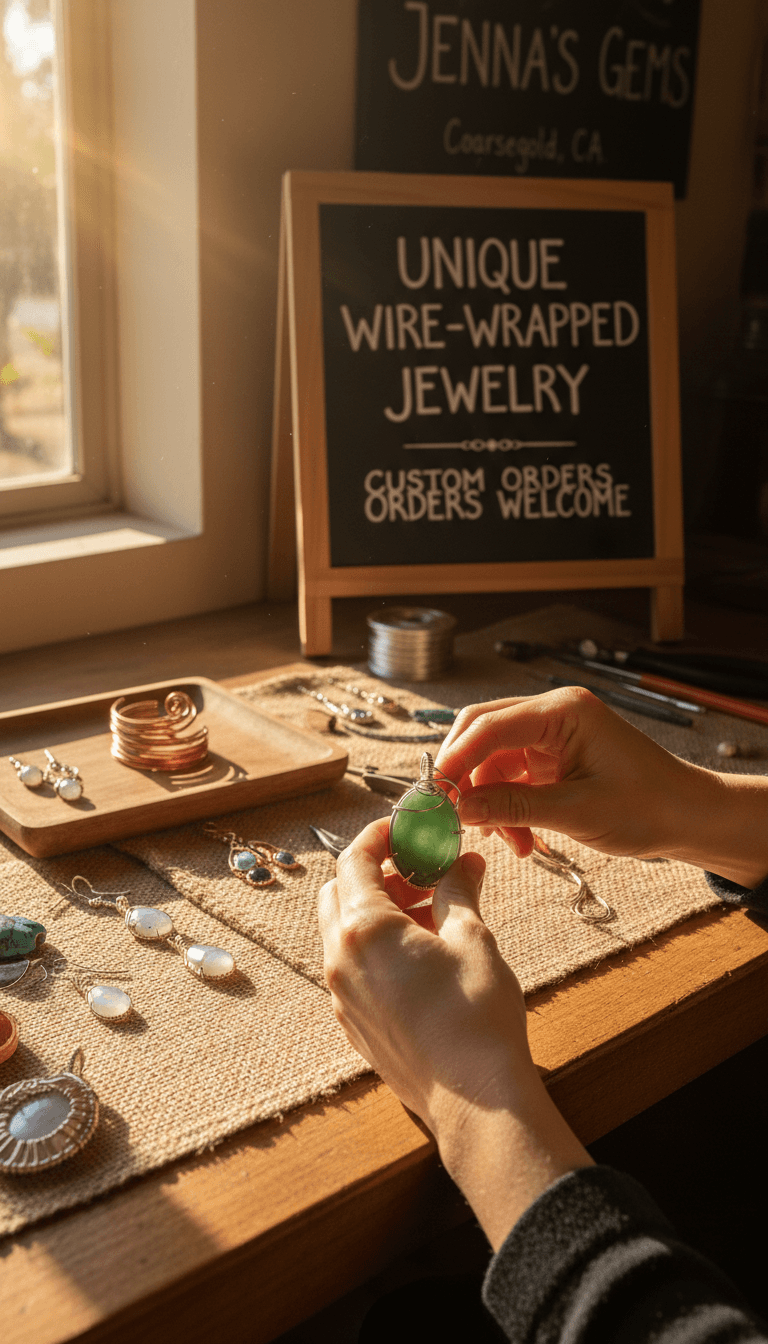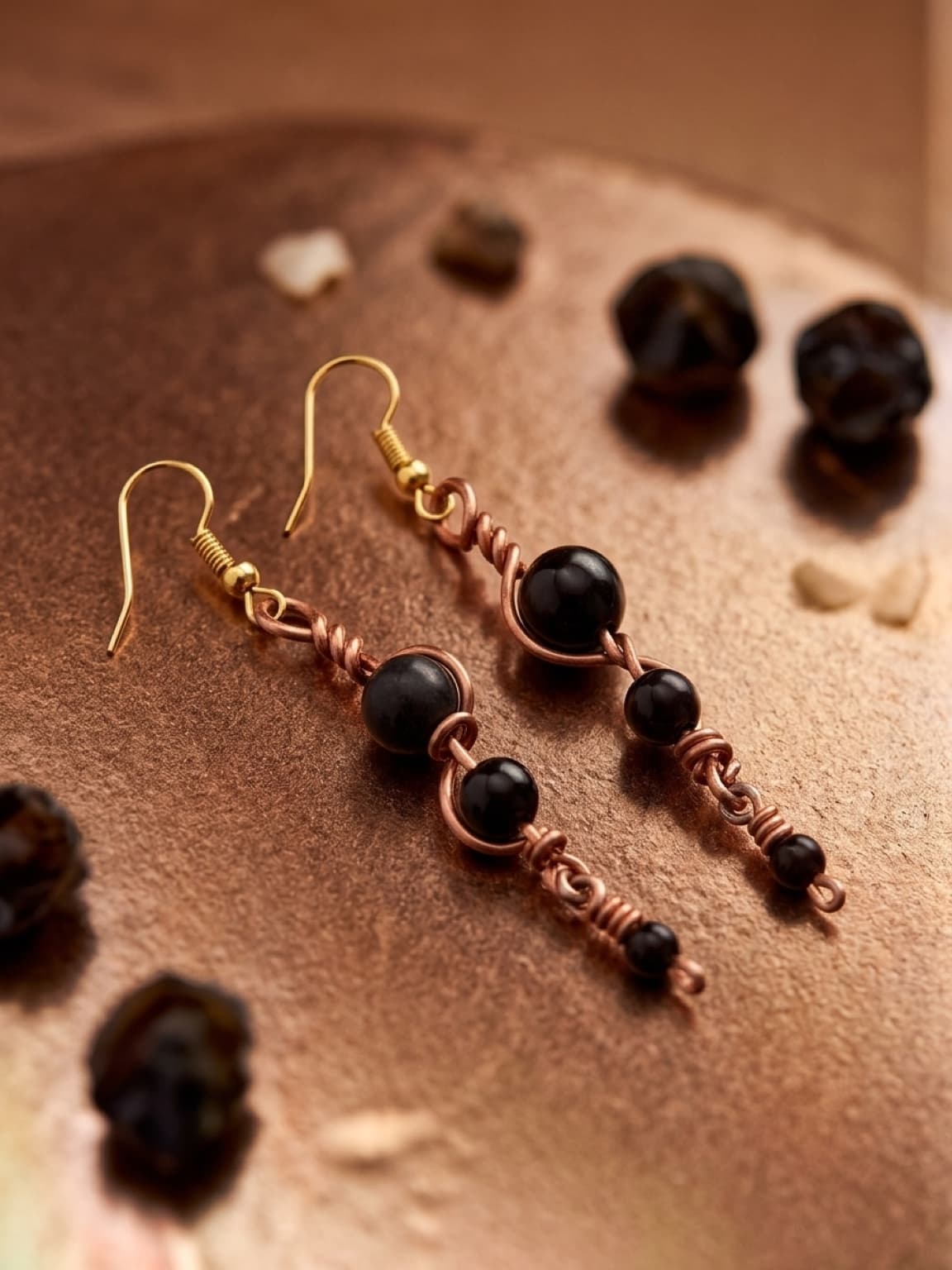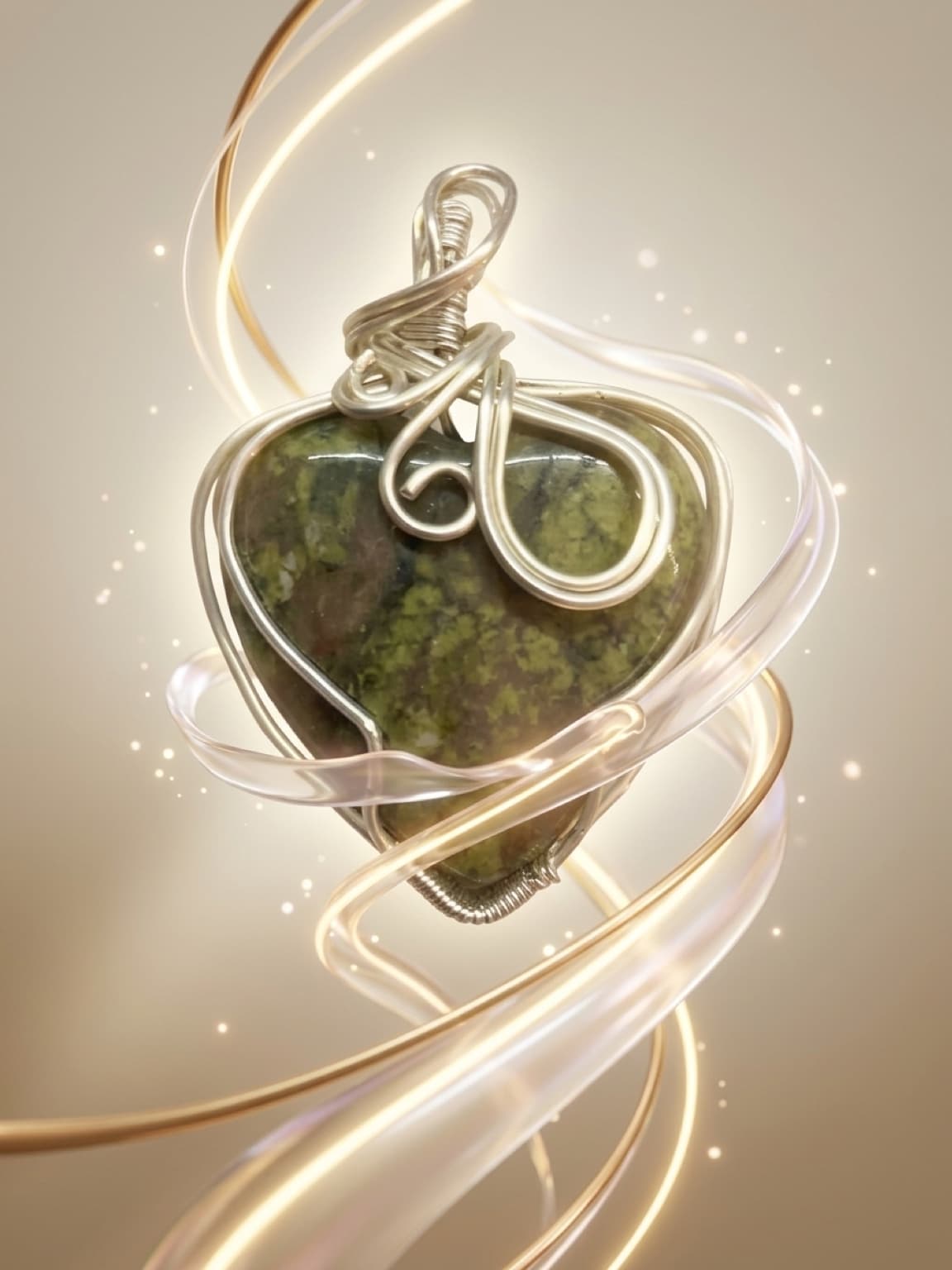
The main reason why does copper jewelry turn skin green is a natural chemical reaction called oxidation that occurs when the metal interacts with sweat, skin oils, and moisture. This process creates a harmless copper carbonate residue that leaves a temporary green tint on the skin, but it can be prevented by applying a protective barrier like jeweler's wax or clear coating.
There is nothing quite as disheartening as removing a beautiful, handcrafted copper cuff only to discover a faint emerald shadow lingering on your skin. This common occurrence often leads to the frustrating misconception that your artisan jewelry is somehow inferior or impure; however, the reality is rooted in a natural chemical dance between the metal and your body’s unique pH levels. Understanding this reaction is essential for anyone who appreciates the rustic beauty of wire wrapped designs. In this guide, we will examine the science of oxidation and address whether these marks pose any genuine health risks. You will also discover professional maintenance secrets to keep your jewelry pristine, ensuring you can enjoy the therapeutic benefits of copper without the unwanted discoloration.
The Chemistry of the Green Mark: Why Copper Reacts with Your Skin
When you wear solid copper, you are wearing a living metal that interacts with its environment. Understanding why does copper jewelry turn skin green starts with a simple chemical reaction known as oxidation. When copper is exposed to oxygen in the air, it begins to develop a patina. On your skin, this process is accelerated by your body's natural chemistry.
The green mark is technically chelated copper. This occurs when the metal reacts with the acids and oils found in your sweat. As the copper reacts with these acids, it forms a copper salt that sits on the surface of the skin. Think of the Statue of Liberty; her iconic green hue is the result of decades of exposure to the elements. The same process happens on a much smaller scale when you wear handcrafted jewelry.
Factor | Impact on Oxidation |
|---|---|
Skin Acidity (pH) | Higher acidity leads to faster color transfer |
Ambient Humidity | Moisture in the air acts as a catalyst |
Sweat Composition | Salt and urea content react with the metal surface |
Living in areas like Coarsegold, near the San Joaquin Valley, the local humidity levels can play a significant role. Higher moisture content in the air provides the perfect environment for this reaction to occur more rapidly. It is important to distinguish this from a metal allergy. An allergy typically manifests as an itchy rash, redness, or swelling; these are immune responses. A green stain, however, is merely a topical reaction that indicates the metal is real, solid copper rather than a plated mystery metal. For those requesting custom orders, knowing how your specific body chemistry interacts with one of a kind wire wrapped jewelry is part of the charm of owning authentic artisan pieces.
Is the Green Stain from Copper Jewelry Harmful to Your Health?
The most frequent concern clients share regarding one of a kind wire wrapped jewelry is whether that telltale emerald shadow poses a health risk. The answer is a definitive no. The green mark is completely harmless, non toxic, and temporary. It is simply a surface deposit of copper oxide that has transferred from the metal to the outer layer of your skin.
If you notice a stain after wearing your handcrafted jewelry, it removes easily with basic hygiene. Because the mark is topical, it does not absorb into your bloodstream or cause lasting discoloration.
Cleaning Method | Instructions |
|---|---|
Standard Wash | Use mild soap and warm water. |
Stubborn Marks | Gently scrub with a washcloth or soft sponge. |
Post-Cleaning | Dry skin thoroughly before putting jewelry back on. |
A common myth suggests that the reason why does copper jewelry turn skin green is due to a mineral deficiency in the wearer. While copper is an essential nutrient for the human body, this topical reaction is purely chemical and provides no insight into your internal health. It is an external event caused by the acidity of your sweat, not a biological signal of a nutritional void. Because we specialize in custom orders using authentic, solid materials, we want our clients to feel confident that the patina on their skin is a safe, natural byproduct of wearing genuine, living metal.
Debunking the Quality Myth: Does Green Skin Mean Low Quality Jewelry?
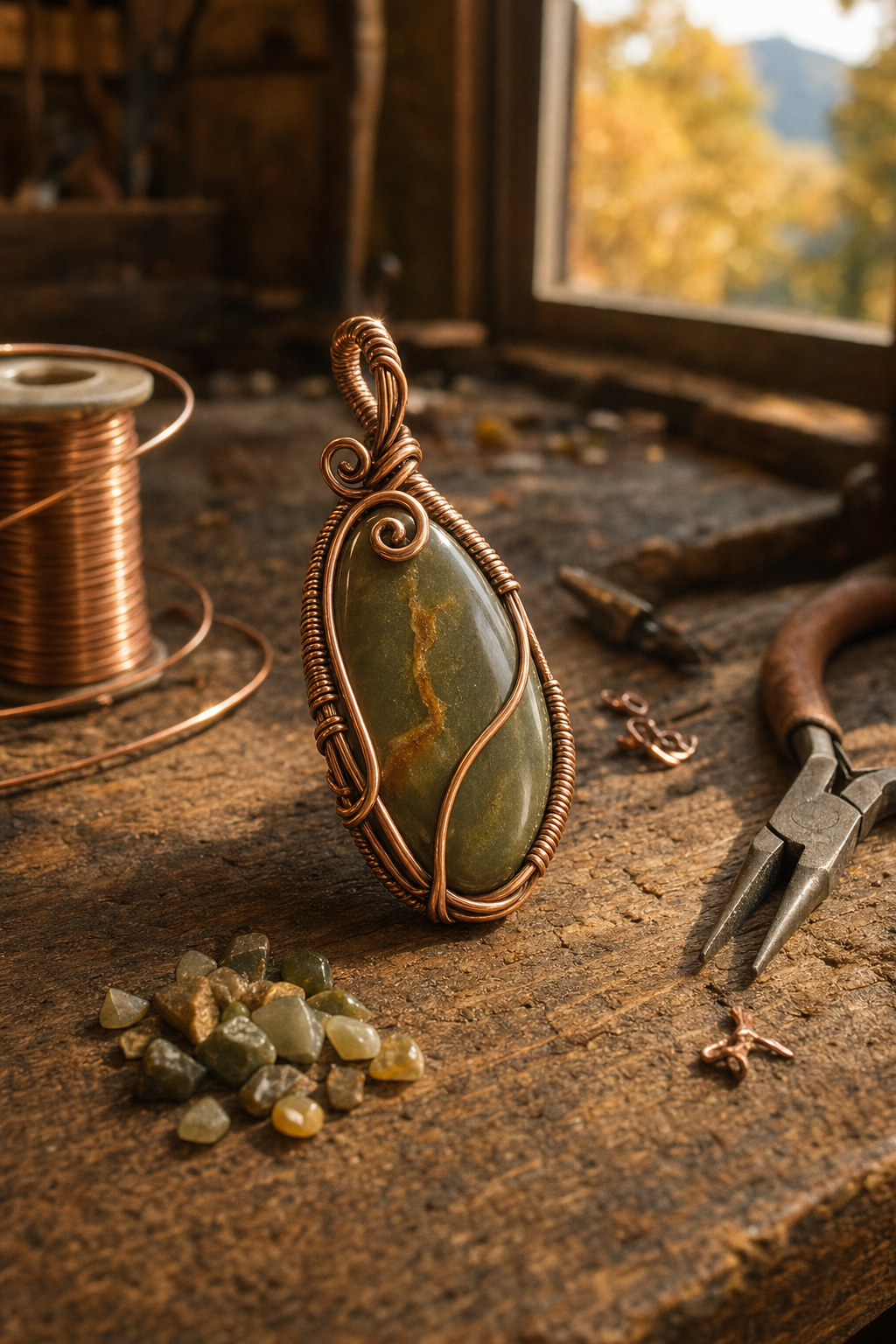
A common misunderstanding in the jewelry world is that a green mark suggests a lack of quality. In reality, the opposite is frequently true. When discussing why does copper jewelry turn skin green, we must look at the difference between solid metals and mass produced imitations. High quality, pure copper is a naturally reactive element. Its tendency to oxidize is a physical property of the metal itself; it is much like the way fine sterling silver tarnishes or iron develops a rugged rust.
Many "copper colored" pieces found in retail chains are actually mystery metals plated with a thin, decorative layer and sealed with heavy industrial plastic. While these might not turn your skin green immediately, the plating eventually chips or wears away, often exposing base materials that can cause genuine allergic reactions or skin irritation. At Jenna’s Gems, I use solid copper wire for every handcrafted jewelry piece. Because this wire is consistent through and through, it will always behave like the genuine copper it is.
Jewelry Type | Material Composition | Reaction Likelihood | Durability |
|---|---|---|---|
Mass-Produced | Plated "mystery metal" | Low (until plating fails) | Low (coating peels) |
Artisan Handcrafted | Solid, pure copper | High (natural oxidation) | High (heirloom quality) |
Boutique Plated | Gold/Silver over brass | Moderate | Moderate |
Choosing one of a kind wire wrapped jewelry means embracing the authentic nature of the material. The green stain is essentially a certificate of authenticity; it proves you are wearing real copper rather than a synthetic substitute. For clients who place custom orders, this reactivity is a sign of a living piece of art that interacts with its environment. A green mark is not a sign of a cheap product, but rather a confirmation that your jewelry is made from the genuine, unadulterated metal you expected.
How to Stop Copper Jewelry from Turning Skin Green
While the oxidation process confirms the authenticity of your one of a kind wire wrapped jewelry, you can take practical steps to minimize the transfer of color to your skin. The most effective way to prevent the reaction is to create a physical barrier between the copper and your body. Many collectors use a specialized jewelry sealant designed to bond to metal without altering the appearance of the piece. A common household alternative is applying a thin coat of clear nail polish to the inner surfaces of rings or bracelets. It is important to remember that these coatings are not permanent; they will gradually wear away with friction and will require periodic reapplication to remain effective.
Managing moisture is the second pillar of prevention. Because sweat and humidity act as catalysts for the reaction, keeping the contact area dry is essential.
Prevention Strategy | Actionable Step | Frequency |
|---|---|---|
Barrier Coating | Apply specialized sealant or clear polish. | Every few weeks or as needed. |
Moisture Control | Remove jewelry before showering or swimming. | Daily. |
Product Application | Apply lotions and perfumes 10 minutes before wearing. | Daily. |
Cleaning Routine | Wipe the piece with a soft cloth after each wear. | After every use. |
When preparing for custom orders, consider how you plan to wear the piece. If you are active or live in a humid environment, you might choose to wear handcrafted jewelry over clothing or on areas less prone to perspiration. Simple habits, such as removing your rings before washing your hands and ensuring your skin is completely dry before putting them back on, significantly reduce the likelihood of seeing a green mark. These small adjustments allow you to enjoy the aesthetic of solid copper without the constant maintenance of the oxidation mark, addressing the core reason why does copper jewelry turn skin green through proactive care.
Cleaning and Caring for Your Handcrafted Wire Wrapped Pieces
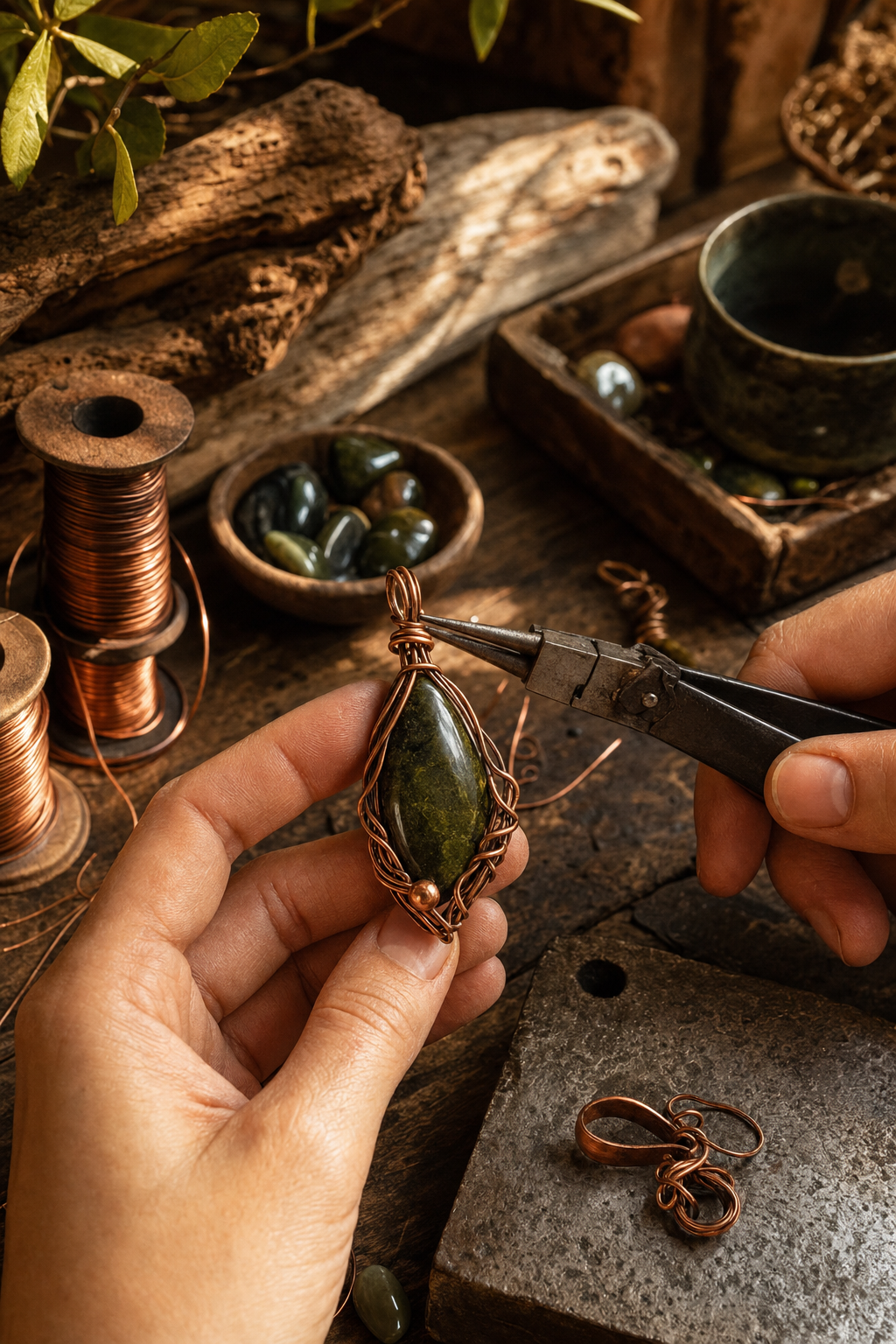
Maintaining the surface of your copper is the most effective way to manage oxidation before it reaches your skin. Tarnish is simply a buildup of copper oxide; when this layer becomes thick, it transfers more easily to the wearer. At Jenna’s Gems, while we appreciate the deep, antique look of a natural patina, we understand that many clients prefer the bright, rose gold luster of fresh metal. Regular cleaning removes the residue that answers the question of why does copper jewelry turn skin green by eliminating the source of the transfer.
For handcrafted jewelry without delicate stones, a vinegar and salt soak is highly effective. Dissolve one tablespoon of salt in one cup of white vinegar. Submerge the copper piece for five to ten minutes, then rinse it thoroughly in fresh water. If you are dealing with more stubborn oxidation, the lemon juice and salt method provides a bit more friction. Dip a lemon wedge into table salt and gently rub the metal parts of the piece. The citric acid acts as a natural solvent for the tarnish.
Method | Best For | Caution |
|---|---|---|
Vinegar Soak | Intricate wire twists | Do not use with porous stones |
Lemon & Salt | Large surface areas | Avoid scrubbing soft gems |
Soft Cloth | Daily maintenance | Does not remove heavy oxidation |
Care is required when cleaning one of a kind wire wrapped jewelry to avoid displacing the delicate twists or damaging stones. Avoid soaking any piece that features porous gems like turquoise, opal, or malachite, as the acid can etch the surface of the stone. For these custom orders, apply your cleaning solution with a soft-bristled toothbrush to target only the copper wire. Always dry the piece completely with a soft cloth after cleaning, as trapped moisture will cause the metal to tarnish again almost immediately.
The Benefits of Wearing Copper and Choosing Artisan Designs
Choosing copper is often an intentional decision rooted in both history and personal style. For centuries, civilizations have prized this metal for more than just its warm, radiant hue. Many collectors wear copper for its purported health benefits, specifically its historical use as an anti-inflammatory aid for joint stiffness and circulation. While these properties are part of the metal’s long-standing lore, the true value of copper lies in its status as a foundational, elemental material that bridges the gap between the natural world and wearable art.
The aesthetic appeal of one of a kind wire wrapped jewelry comes from its structural complexity. Unlike mass-produced items that are cast in molds or stamped by machines, handcrafted jewelry from a local Coarsegold maker is built with unique structural integrity. Every twist and loop is deliberate; the process of hand-shaping actually work-hardens the wire, making the finished piece more resilient than a factory-made equivalent.
Feature | Artisan Wire Wrapped | Factory Cast Jewelry |
|---|---|---|
Material Integrity | Solid, pure copper wire | Often plated mystery metals |
Durability | High (work-hardened through manipulation) | Variable (brittle or porous casting) |
Design Value | Completely original and unique | Mass-produced identical units |
Connection | Direct relationship with the maker | Anonymous retail supply chain |
When you understand why does copper jewelry turn skin green, you begin to see the metal as a living history of your wear. This reactive nature is part of the soul of the piece. Investing in custom orders ensures that your jewelry is not just an accessory, but a specific collaboration between your vision and the artisan's skill. Handcrafted designs offer a level of detail and longevity that a factory assembly line cannot replicate, providing you with a piece that is as original as the person wearing it.