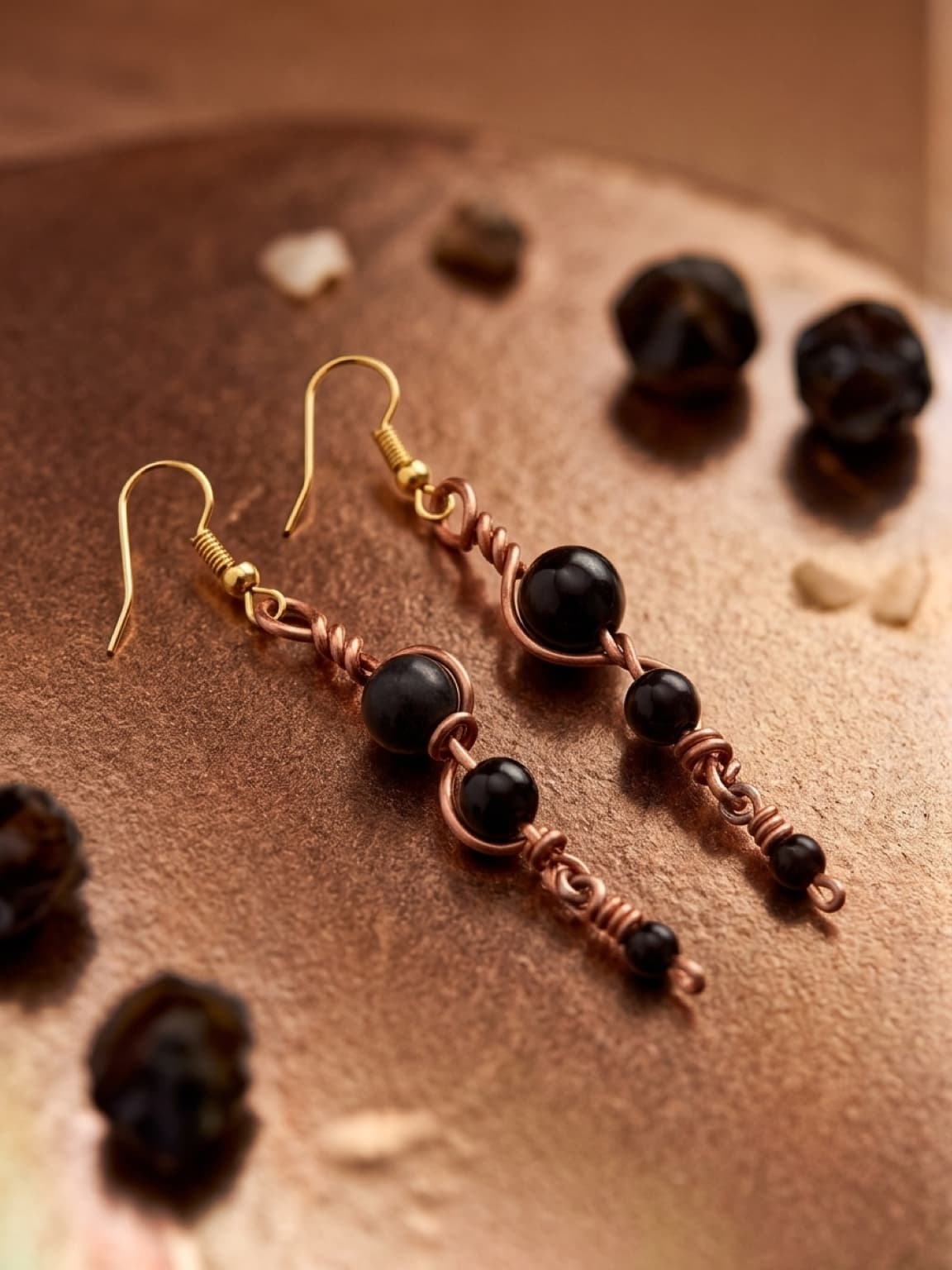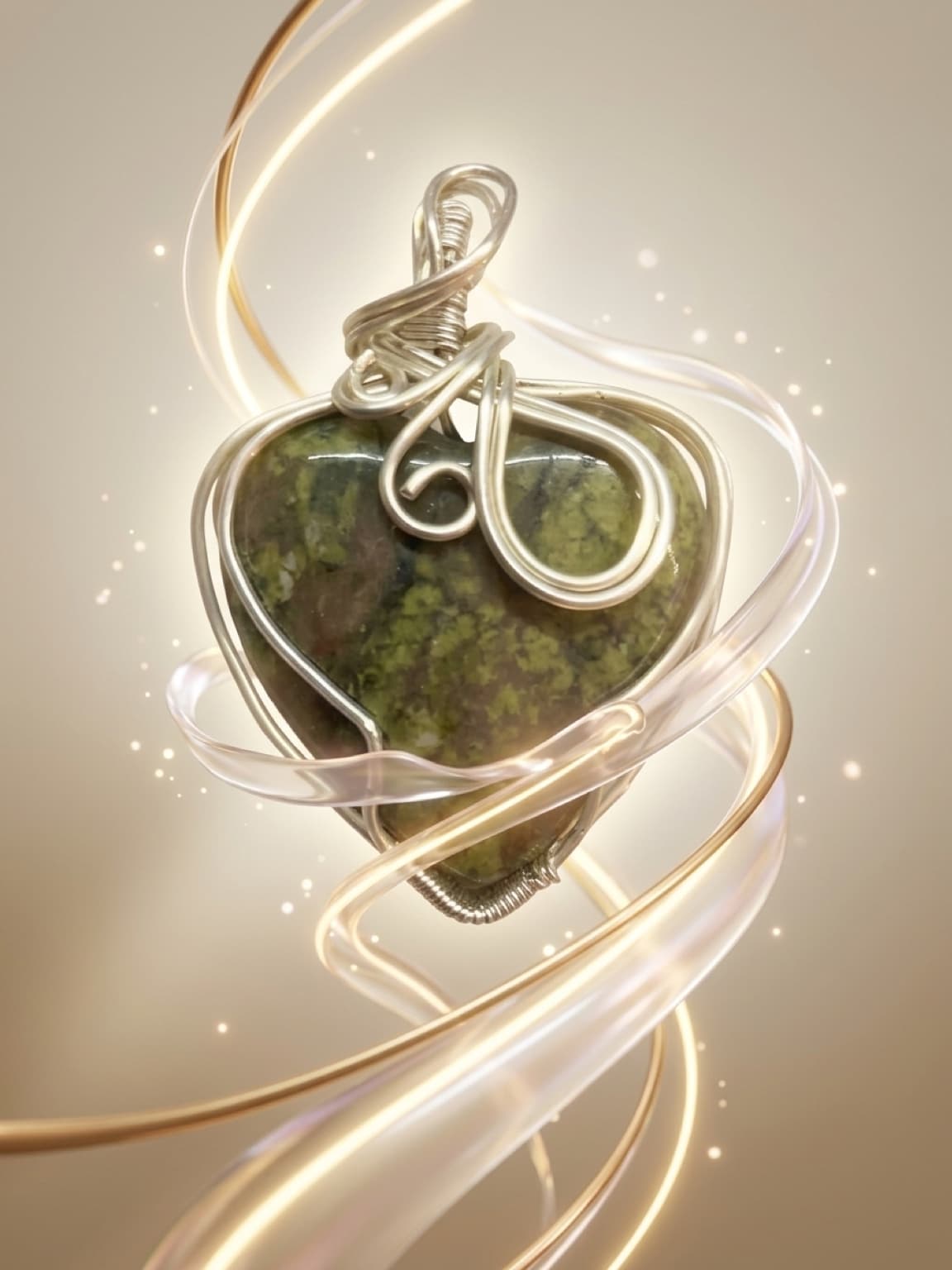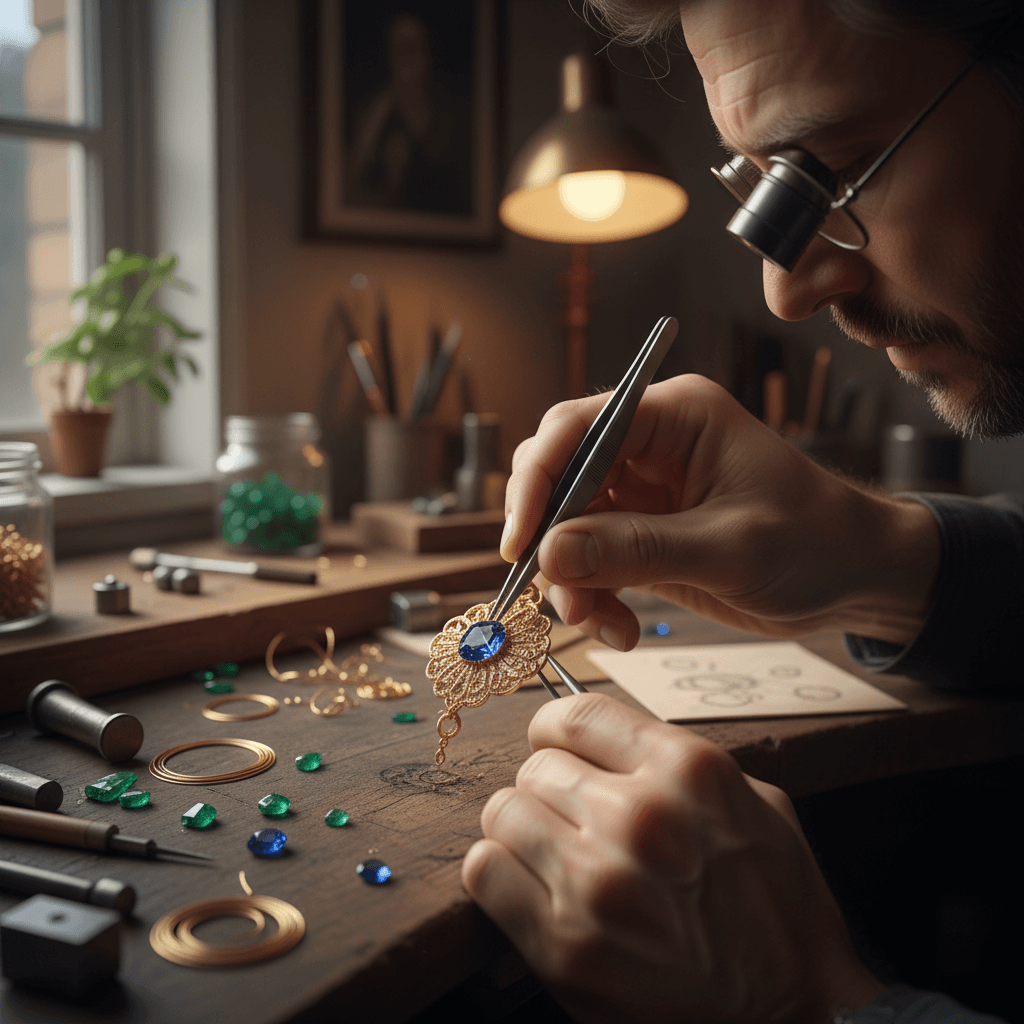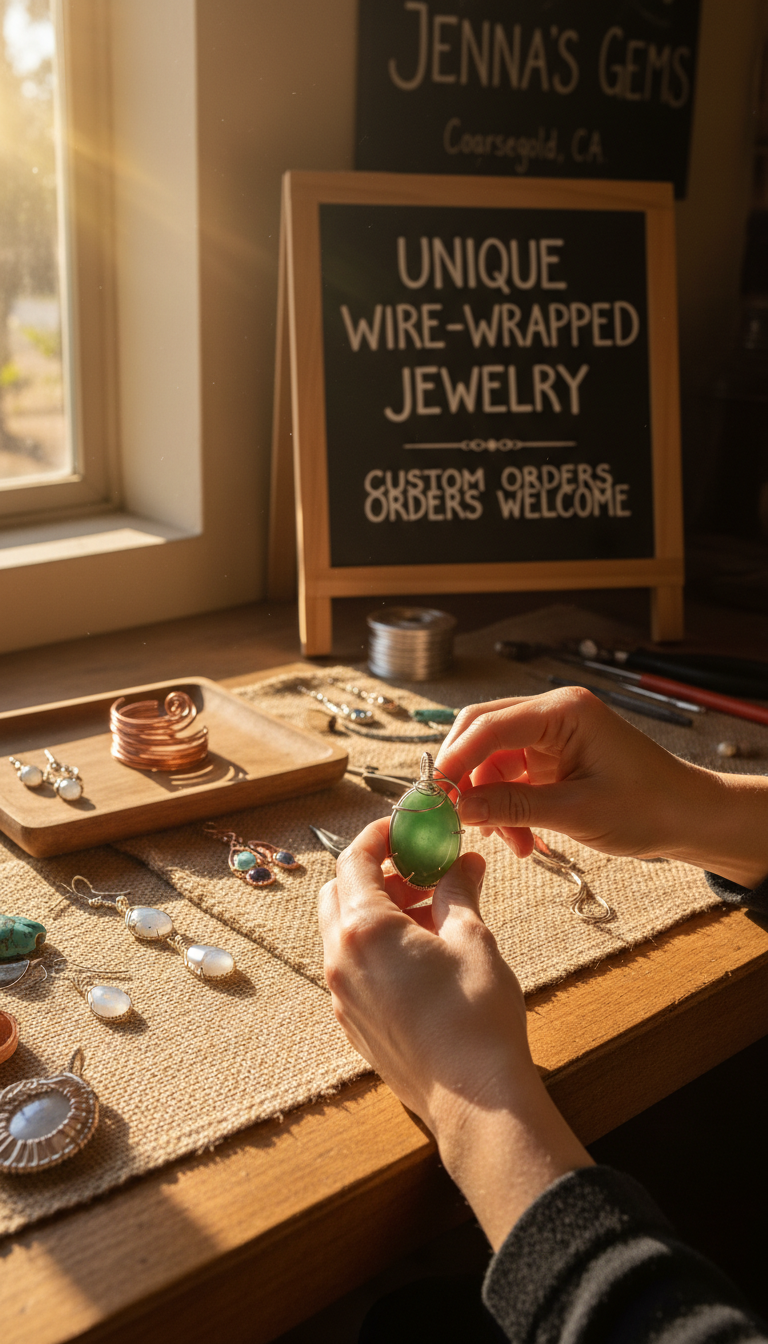
Wire wrapped jewelry is worth it for buyers seeking unique, durable, and high quality pieces that showcase genuine artisanal skill. Unlike mass produced items, these handcrafted designs offer superior long term value and a personal connection through intricate details and high grade materials.
Have you ever purchased a beautiful piece of jewelry only to have the stone fall out after a few wears? It is incredibly frustrating to invest in an accessory that feels flimsy or looks mass produced. When you are considering wire wrapped jewelry, the question of value often comes down to the balance between artistry and durability. This is not just about twisting metal; it is about intentional engineering. In this guide, I will help you understand the real value behind every loop. You will learn how hand tensioned techniques beat industrial glues, why specific metal types dictate longevity, and how to identify high quality craftsmanship before you make a purchase. By the end, you will know exactly why a well made piece is a worthy investment for your collection.
The Real Value Behind Every Twist and Loop
Wire wrapping is a refined construction method where jewelry wire is manually shaped, twisted, and looped to secure gemstones without the use of solder or adhesives. Unlike commercial pieces that rely on heat or chemicals, this technique uses the physical properties of the metal to create a structural cage. When considering if wire wrapped jewelry worth it, the answer lies in the transition from mass-manufactured components to intentional, manual engineering.
The value of a handcrafted piece rests on three specific pillars: durability, artistic uniqueness, and the physical security of the stone. At Jenna’s Gems in Coarsegold, California, each design begins with a study of the gemstone's unique geometry. Because no two natural stones are identical, a machine cannot be programmed to hold them all perfectly. An artisan must adjust the tension of the wire to account for every inclusion and facet, ensuring the stone is locked in place through mechanical friction.
Value Pillar | Handcrafted Wire Wrap | Mass-Produced Jewelry |
|---|---|---|
Stone Security | Custom-fit mechanical locks | Generic prongs or industrial glue |
Design | One-of-a-kind artistic flow | Identical, repetitive molds |
Longevity | Work-hardened, thick gauge wire | Thin, cast metals prone to snapping |
Choosing one of a kind wire wrapped jewelry means investing in a piece where every twist serves a functional purpose. This manual oversight prevents common issues like stones rattling or falling out of settings. For those seeking even higher levels of personalization, custom orders allow for the selection of specific wire tempers and gauges to match the wearer's lifestyle, ensuring the piece remains a staple for years to come.
Mechanical Integrity: Why Hand-Tensioned Beats Industrial Glue
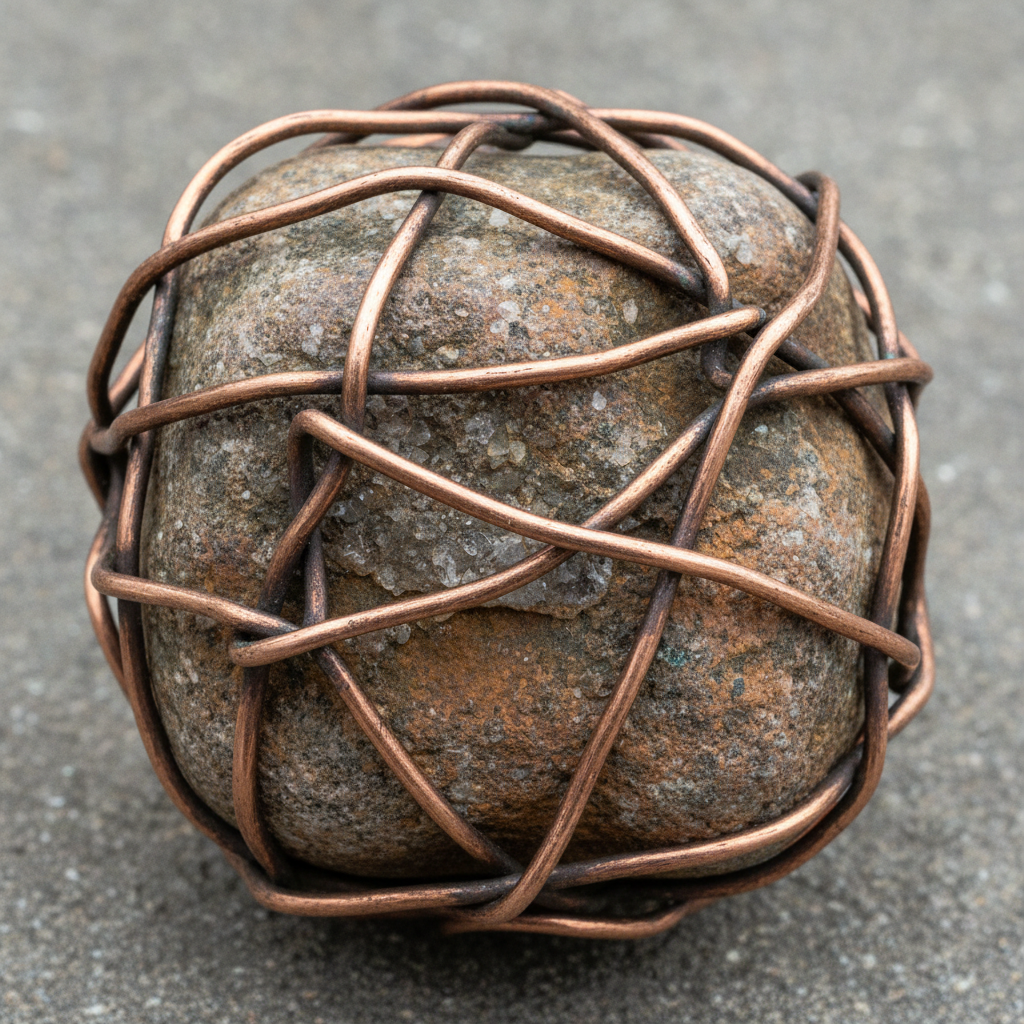
The mechanical superiority of a hand-wrapped piece begins where commercial manufacturing often fails: the point of contact between the metal and the gemstone. Most mass-market jewelry relies on thin prongs or industrial-strength adhesives to keep stones in place. Over time, exposure to moisture, heat, and skin oils causes epoxy to degrade and prongs to snag or thin out, eventually leading to a lost stone. Wire wrapping avoids these chemical and structural vulnerabilities by utilizing the physical principles of tension and friction.
In handcrafted jewelry, there is a clear distinction between structural and freeform wrapping techniques. A structural wrap acts as the skeleton of the piece, using heavier gauge wire to build a rigid frame that defines the pendant's shape. Freeform wrapping, while appearing more organic and artistic, still relies on strategically placed anchor points that secure the stone. Because natural gemstones are rarely perfectly symmetrical, an artisan must manually feel the resistance of the metal. This allows for microscopic adjustments in tension that account for the unique facets and inclusions of a specific stone, a level of nuance that a standardized machine press cannot replicate.
Feature | Hand-Tensioned Wire Wrap | Industrial Setting/Glue |
|---|---|---|
Securing Method | Mechanical friction and interlocking loops | Chemical bonds or thin metal tabs |
Adaptability | Custom-fit to the stone's unique geometry | Limited to standardized stone shapes |
Durability Factor | Work-hardened wire resists bending | Cast metal is often brittle and thin |
This manual calibration is exactly why wire wrapped jewelry worth it for those seeking longevity. When crafting one of a kind wire wrapped jewelry, the wire is work-hardened as it is shaped, which increases its stiffness and durability. This process ensures the frame remains tight even with years of daily wear. At Jenna’s Gems, this technical focus is applied to every piece, ensuring that whether a client chooses a stock item or places custom orders, the physical integrity of the design is never sacrificed for speed. When you learn more about Jenna's Gems, you see that this commitment to hand-tensioned construction is what differentiates a collectible piece from a temporary accessory.
Handmade vs. Machine-Made Jewelry: The Four Value Drivers
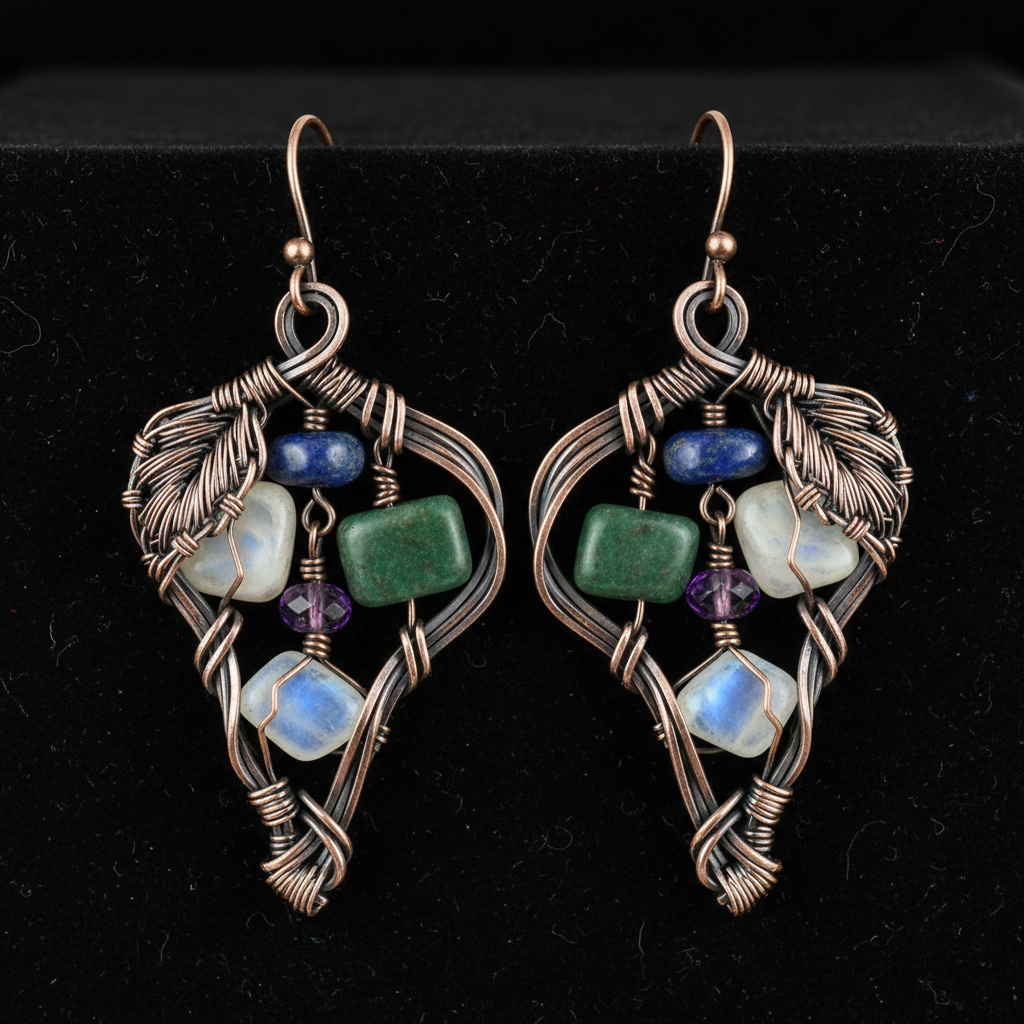
The mechanical superiority of a hand-tensioned wrap naturally leads to a broader discussion of how handmade items differentiate themselves from factory alternatives. When assessing if wire wrapped jewelry worth it, four specific value drivers determine the long-term satisfaction of the wearer: quality, symbolism, durability, and character.
Industrial jewelry often uses thinner, lower-gauge wire to save on material costs and ease machine processing. A handmade piece typically utilizes thicker, structural wire that has been work-hardened through the wrapping process. This manual manipulation ensures the frame resists deformation, a common failure in mass-produced items that use thin, cast metals. Furthermore, while machines provide sterile uniformity, they cannot achieve the organic flow found in one of a kind wire wrapped jewelry. Many collectors and enthusiasts on platforms like Reddit argue that the slight variations or organic loops are exactly what make these pieces desirable. This "character" signals authenticity and provides a sense of life that mass production cannot replicate.
Value Driver | Handcrafted (Jenna's Gems) | Machine-Made (Mass Market) |
|---|---|---|
Wire Gauge | Heavier, durable gauges (16 to 22g) | Thin, fragile gauges for ease of casting |
Aesthetics | Organic, unique, conversation-starting | Sterile, repetitive, symmetrical |
Maker Oversight | Single artisan from start to finish | Disconnected assembly line |
Durability | Work-hardened for structural rigidity | Soft, cast metal prone to snapping |
This distinction is why many clients prioritize learning about Jenna's Gems when seeking custom orders. They are not just buying a product; they are investing in the intention of a maker who ensures every loop serves both a decorative and a structural purpose. The result is a piece that retains its value as a durable, wearable work of art rather than a temporary accessory.
Understanding the Materials: Why Wire Type Matters
The physical resilience of a piece depends heavily on the specific metallurgy of the wire used. When asking what kind of wire is used for wire wrapping jewelry, the answer varies based on the desired longevity and aesthetic. Copper is often favored for its malleability and warm patina, whereas sterling silver and gold-filled wires offer the prestige of precious metals. Unlike gold plating, which wears off quickly, gold-filled wire consists of a thick layer of 14k gold mechanically bonded to a brass core. This material choice is a significant reason why high-quality wire wrapped jewelry worth it, as it resists tarnishing and maintains its finish for years.
Beyond the metal type, the wire’s temper, or hardness, is critical for structural integrity.
Wire Temper | Physical Property | Best Use Case |
|---|---|---|
Dead Soft | Highly pliable and easy to bend | Intricate, fluid weaving and fine details |
Half-Hard | Springy and holds shape well | Structural frames, ear wires, and heavy stone security |
At Jenna’s Gems, material selection is never arbitrary. We evaluate the weight of the stone and the wearer's lifestyle; for example, using a heavier gauge half-hard wire for a rugged everyday pendant while selecting finer, softer wires for delicate earrings. This technical precision, which you can learn more about in the about Jenna's Gems section, ensures that one of a kind wire wrapped jewelry and custom orders are both beautiful and built to withstand daily wear.
The Artisan Connection: Custom Orders and Local Craft
While material durability provides the physical foundation, the human element of craftsmanship adds a layer of intangible value. Choosing a local Coarsegold, California business ensures that the creator’s specific "hand" is present in every loop. This signature style acts as a fingerprint; it transforms a functional accessory into a collectible work of art. When you learn more about Jenna's Gems, it becomes clear that this direct artisan connection is a primary reason why wire wrapped jewelry worth it.
A significant advantage of local craft is the accessibility of custom orders. Buyers often have stones that carry deep personal history, such as a family heirloom or a crystal found during a meaningful trip, which cannot be fitted into standardized commercial settings. An artisan manually designs a structural frame specifically for that stone’s unique dimensions while reflecting the owner’s personality.
Customization Type | Practical Value |
|---|---|
Heirloom Preservation | Secures fragile or uniquely cut legacy stones safely |
Found Crystals | Converts raw, natural finds into wearable art |
Style Personalization | Matches wire patterns to the wearer's specific aesthetic |
Investing in one of a kind wire wrapped jewelry supports the slow-made movement. You are not just purchasing a product; you are supporting a local maker who provides direct accountability and a level of care that mass production simply cannot offer.
Common Questions About Wire Wrapped Jewelry Worth
Understanding the historical and cultural context of a craft often clarifies why wire wrapped jewelry worth it. This method is not a modern fad but rather one of the oldest jewelry-making techniques in existence, with archaeological evidence dating back thousands of years to the Sumerian Dynasty and Ancient Egypt. Before the development of advanced soldering and casting, ancient artisans relied on the manual manipulation of gold and silver wire to secure stones, creating durable talismans that have survived millennia in tomb excavations.
Today, wire wrapping remains a vibrant, evolving practice. It has seen a significant resurgence within the earthy and boho fashion movements, where the organic, flowing lines of hand-twisted metal complement the raw beauty of natural crystals. This modern interest is fueled by a global shift away from the disposable nature of fast fashion. Consumers are increasingly seeking out sustainable, slow-made goods that offer a transparent origin story. This cultural pivot toward intentionality is a major reason why one of a kind wire wrapped jewelry has grown in popularity.
Common Question | Historical and Cultural Context |
|---|---|
How old is the technique? | Dates back over 4,000 years to ancient Mesopotamia and Egypt. |
Is it still relevant? | Yes, it is a staple of contemporary artisanal and bohemian fashion trends. |
Why the surge in popularity? | Driven by a demand for sustainability and a rejection of mass-produced goods. |
When clients inquire about Jenna's Gems or request custom orders, they are participating in a lineage of craftsmanship that prioritizes human skill over machine efficiency. The enduring nature of this technique proves that mechanical tension remains a superior, time-tested way to celebrate and secure gemstones. By choosing a local Coarsegold maker, you are supporting a tradition that values longevity over temporary trends.
How to Spot High-Quality Wire Wrapping Before You Buy
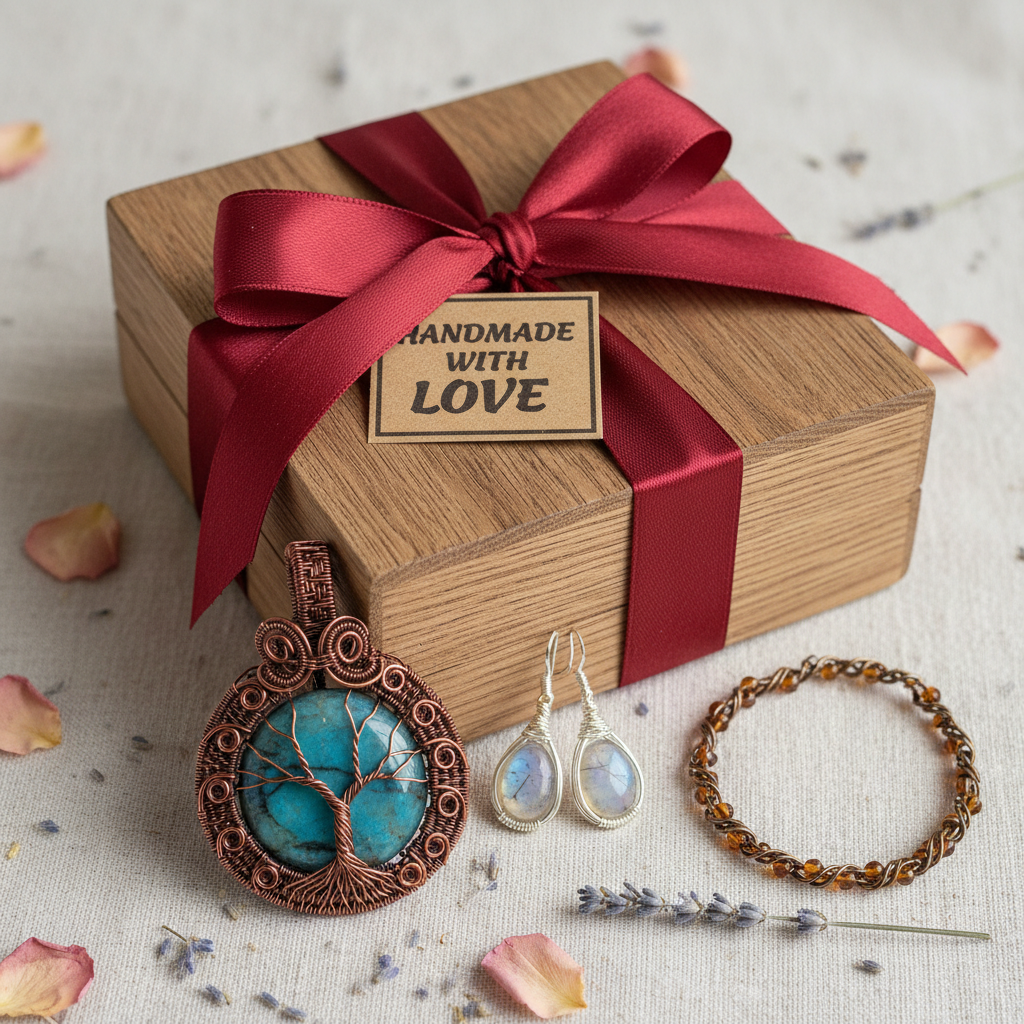
Discerning the difference between a masterfully crafted piece and a novice attempt is essential to confirming that wire wrapped jewelry worth it. A high-quality wrap must feel like a solid, singular object rather than a collection of loose wires. When inspecting a piece, start with a physical stability test. Gently hold the pendant or ring and give it a soft shake; the gemstone must remain completely stationary. Any movement or clicking sound indicates that the hand-tensioning is insufficient, which can lead to the stone eventually falling out or the frame deforming over time.
Next, examine the finish and the surface of the metal. Expertly crafted one of a kind wire wrapped jewelry features smooth transitions where the wire ends are tucked away and crimped into the interior of the design. Run your finger carefully over the back and edges of the piece. There should be no sharp points or snags that could catch on delicate clothing or irritate the skin. Finally, look for tool marks. Amateur work often shows marring or deep scratches where pliers have gripped the metal too tightly. A professional piece from Jenna’s Gems shows clean, pristine wire that retains its luster without visible damage from the shaping process.
Quality Indicator | What to Look For | What to Avoid |
|---|---|---|
Stone Stability | Zero movement within the wire frame | Rattling, clicking, or shifting stones |
End Finishing | Tucked, rounded, and hidden wire ends | Sharp pokes, snags, or exposed wire tips |
Metal Surface | Smooth, polished wire without nicks | Scratches, marring, or plier teeth marks |
Design Flow | Balanced tension and intentional curves | Chaotic overlaps or forced, uneven bends |
These technical benchmarks are especially important when commissioning custom orders, as the artisan must balance structural integrity with your specific aesthetic requests. Learning more about Jenna's Gems helps buyers understand that these standards are the baseline for every creation, ensuring the investment remains a durable, beautiful heirloom.